Floating vs Stationary Docks at Lake Anna: Pros, Cons & Installation
When considering dock options for waterfront properties at Lake Anna, understanding the differences between floating docks and stationary docks is crucial. Each type of dock offers unique advantages and disadvantages that can significantly impact usability, maintenance, and overall satisfaction. This article will delve into the key differences, benefits, and drawbacks of both floating and stationary docks, providing insights into their installation and maintenance. Property owners often face challenges related to water level fluctuations and local regulations, making it essential to choose the right dock type for their specific needs. We will explore the adaptability of floating docks, the structural requirements for stationary docks, and how LKA Dock Builder can assist in customizing dock solutions tailored to Lake Anna’s unique conditions.
What Are the Key Differences Between Floating and Stationary Docks at Lake Anna?
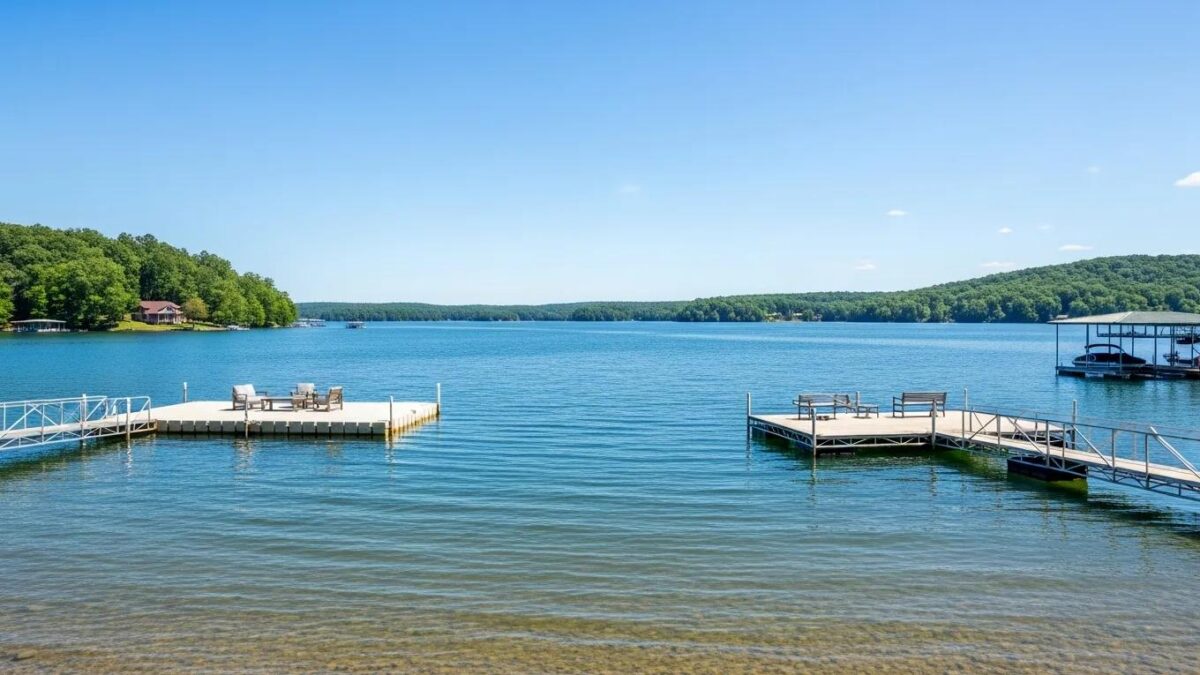
Floating docks and stationary docks serve the same primary purpose of providing access to water, but they differ significantly in design and functionality. Floating docks are buoyant structures that rise and fall with water levels, making them ideal for areas with fluctuating water conditions. In contrast, stationary docks are fixed structures anchored to the lakebed, providing a stable platform regardless of water level changes. This fundamental difference influences their installation, maintenance, and overall usability.
How Do Floating Docks Adapt to Lake Anna’s Water Level Fluctuations?
Floating docks are designed to adjust to varying water levels, which is particularly beneficial at Lake Anna, where seasonal changes can lead to significant fluctuations. These docks utilize buoyancy to remain at the water’s surface, ensuring consistent access for boaters and swimmers. The adaptability of floating docks minimizes the risk of damage during low water periods and enhances user experience during high water events. This flexibility is a key advantage for property owners who want to maintain accessibility throughout the year.
Innovative approaches, such as smart floating foundations, further demonstrate the potential for floating structures to adapt to significant water level changes and enhance resilience.
Smart Floating Docks for Fluctuating Water Levels
Floating decks called pontoon services are used in riverine areas of Oguta II and places such as Oguta lake to cross cargo, people and as a means of mass transportation in these and other areas of Nigeria. This paper explores the innovative concept of incorporating smart floating foundations and decks as a promising technological solution for constructing flood-resilient buildings and facilities. By incorporating advanced smart technologies with hydraulic engineering principles, these foundations can adapt to fluctuating water levels, reduce the risk of structural damage and ensure the safety of occupants.
Smart Floating Housing For Flood Resilient Building Design In Oguta, Imo State,
Nigeria, BO Agoha, 2025
What Are the Structural Requirements for Stationary Docks in Lake Anna?
Stationary docks require a solid foundation and specific materials to ensure stability and compliance with local regulations. The construction of these docks typically involves pilings or concrete footings that are anchored to the lakebed. Local regulations may dictate the materials used, such as pressure-treated wood or aluminum, to withstand environmental conditions. Understanding these structural requirements is essential for property owners considering a stationary dock, as improper installation can lead to costly repairs and safety hazards.
What Are the Benefits and Drawbacks of Floating Docks for Lake Anna Waterfronts?
Floating docks offer several advantages that make them appealing for waterfront properties at Lake Anna. However, they also come with certain drawbacks that potential buyers should consider.
- Adaptability to Water Levels: Floating docks rise and fall with changing water levels, ensuring consistent access.
- Reduced Structural Stress: Their design minimizes stress on the dock structure, potentially extending its lifespan.
- Ease of Installation: Floating docks are generally easier and quicker to install compared to stationary docks.
- Customization Options: They can be tailored to fit various waterfront configurations and personal preferences.
Despite these benefits, floating docks have some drawbacks:
- Potential for Movement: They may sway or move with waves and wind, which can be unsettling for some users.
- Maintenance Considerations: Regular maintenance is required to ensure buoyancy and structural integrity.
- Regulatory Compliance: Floating docks must adhere to specific regulations, which can vary by location.
The benefits of floating docks make them a popular choice for many property owners, but understanding the potential drawbacks is essential for making an informed decision.
Ensuring the operational safety of floating docks, particularly concerning their dynamic behavior during use, is a critical aspect highlighted by research.
Enhancing Floating Dock Operational Safety
To enhance the operational safety of the floating docks, the dynamic behaviour of floating docks during docking and undocking is crucial.
An efficient quasi-static model for simulating floating dock operations, X Wen, 2026
How Does Floating Dock Installation Enhance Durability and Flexibility?
The installation of floating docks involves specific techniques that enhance their durability and flexibility. For instance, using high-quality materials and proper anchoring methods can significantly improve the dock’s performance. Additionally, floating docks can be designed with adjustable components that allow for easy modifications as water levels change. This adaptability not only extends the dock’s lifespan but also ensures that it remains functional and safe throughout varying conditions.
What Maintenance Is Required for Floating Docks at Lake Anna?

Maintaining floating docks is crucial to ensure their longevity and functionality. Regular inspections should be conducted to check for wear and tear, particularly on the flotation devices and anchoring systems. Seasonal maintenance tasks may include:
- Cleaning: Removing debris and algae buildup to maintain aesthetics and functionality.
- Inspections: Checking for any signs of damage or wear, particularly after severe weather.
- Repairs: Addressing any issues promptly to prevent further damage.
By adhering to a regular maintenance schedule, property owners can extend the life of their floating docks and ensure safe usage.
Why Choose Stationary Docks: Advantages and Long-Term Value at Lake Anna
Stationary docks offer distinct advantages that can provide long-term value for property owners at Lake Anna. Their fixed nature allows for a stable platform that can withstand various weather conditions, making them a reliable choice for frequent use.
- Cost-Effectiveness: Stationary docks often have lower long-term maintenance costs compared to floating docks.
- Durability: Built to last, stationary docks can withstand harsh weather and heavy usage without significant wear.
- Maintenance Considerations: While they require some upkeep, stationary docks generally need less frequent maintenance than floating docks.
However, there are also considerations to keep in mind:
- Installation Complexity: The installation process can be more complex and time-consuming than that of floating docks.
- Limited Adaptability: Stationary docks do not adjust to changing water levels, which can be a disadvantage in fluctuating conditions.
Choosing a stationary dock can provide stability and longevity, making it a worthwhile investment for many property owners.
How Do Stationary Docks Provide Stability and Longevity?
Stationary docks are designed to offer exceptional stability, thanks to their anchored construction. This stability is crucial for activities such as fishing, swimming, and boating, where a secure platform is necessary. The materials used in stationary dock construction, such as treated wood or aluminum, contribute to their longevity, ensuring that they can withstand the elements over time. This durability makes stationary docks a reliable choice for property owners looking for a long-term solution.
What Are the Environmental and Regulatory Considerations for Stationary Docks?
When installing stationary docks, property owners must consider environmental impacts and comply with local regulations. These considerations may include:
- Erosion Control: Ensuring that the dock does not contribute to shoreline erosion.
- Wildlife Protection: Adhering to guidelines that protect local wildlife habitats.
- Permitting: Obtaining the necessary permits before construction to avoid legal issues.
Understanding these factors is essential for ensuring that the dock installation is both environmentally responsible and compliant with local laws.
How Does LKA Dock Builder Customize Dock Construction to Lake Anna Conditions?
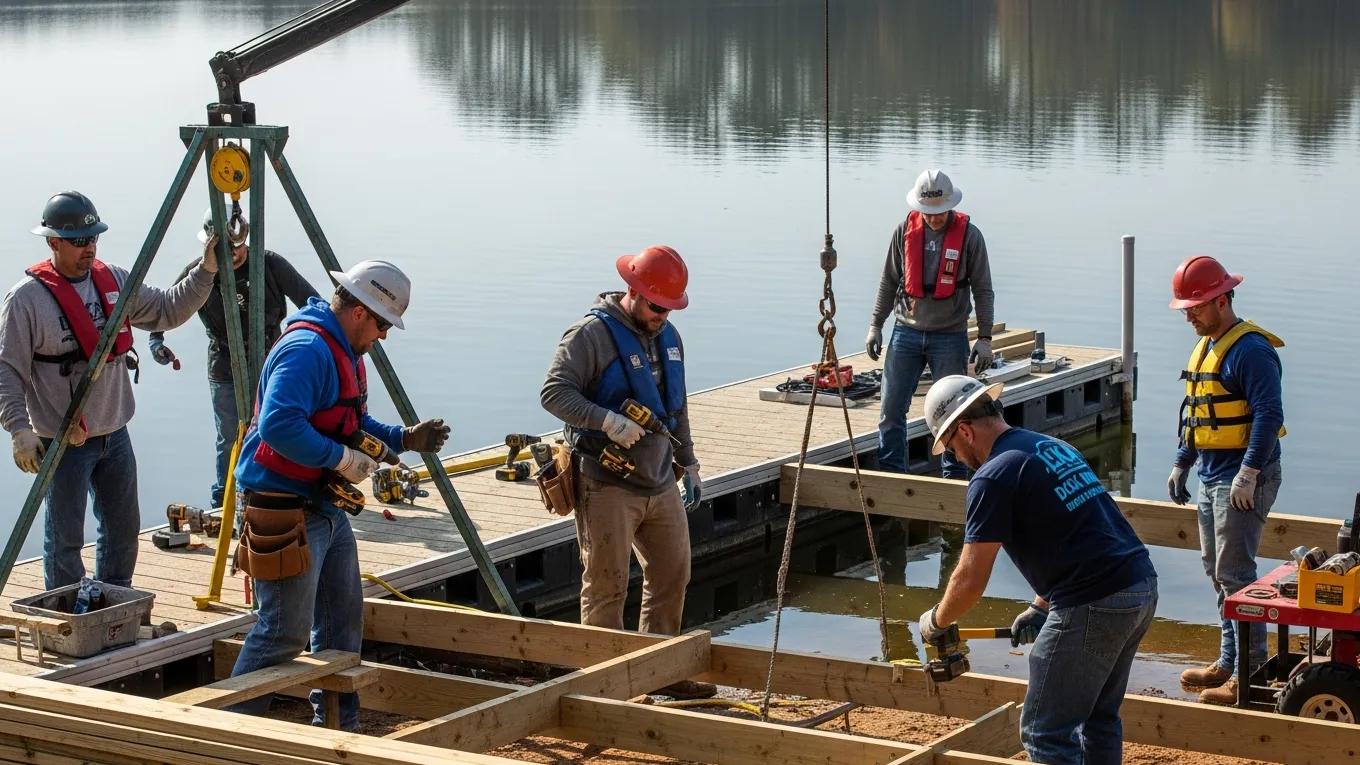
LKA Dock Builder specializes in customizing dock construction to meet the unique conditions of Lake Anna. Their expertise in marine construction allows them to tailor both floating and stationary docks to suit individual property needs.
What Materials and Techniques Ensure Quality and Compliance?
LKA Dock Builder utilizes high-quality materials and advanced construction techniques to ensure that all docks meet local regulations and withstand environmental challenges. This includes using pressure-treated wood, durable aluminum, and innovative anchoring systems that enhance stability and longevity. By focusing on quality, LKA Dock Builder ensures that each dock is built to last and perform effectively in Lake Anna’s unique conditions.
How Does Local Expertise Influence Dock Design and Installation?
Local expertise plays a significant role in the design and installation of docks at Lake Anna. LKA Dock Builder’s knowledge of local regulations, environmental conditions, and community preferences allows them to create docks that not only meet functional needs but also enhance the overall aesthetic of the waterfront. This local insight ensures that property owners receive a dock that is both practical and visually appealing.
What Are the Typical Costs and Permit Requirements for Dock Installation at Lake Anna?
Understanding the costs and permit requirements for dock installation is essential for property owners at Lake Anna. The expenses associated with dock construction can vary significantly based on the type of dock, materials used, and specific site conditions.
How Do Floating and Stationary Dock Costs Compare?
Generally, floating docks tend to be more expensive than stationary docks due to their materials and construction methods. However, the long-term maintenance costs of floating docks can be higher, making the initial investment a critical factor to consider. Property owners should evaluate their budget and long-term plans when deciding between the two options.
What Permits Are Needed for Dock Construction and Repair?
Before beginning dock construction or repair, property owners must obtain the necessary permits from local authorities. This process typically involves submitting plans for review and ensuring compliance with environmental regulations. Understanding the permitting process is crucial to avoid delays and ensure a smooth installation.
Further research emphasizes the importance of understanding the comprehensive permitting procedures and waterfront regulations for dock construction.
Dock Permitting & Waterfront Regulations
regulations that aim to protect public use of the waterfront and access the licensing process for residential docks and piers. comprehensive and consistent permitting procedures, active
Tidelands management: implementation of the Massachusetts public waterfront act, M Portman, 2006
How Can Lake Anna Property Owners Maintain and Repair Their Docks Effectively?
Proper maintenance and repair are vital for extending the lifespan of both floating and stationary docks. Property owners should be proactive in addressing any issues that arise to ensure safety and functionality.
What Dock Repair Services Does LKA Dock Builder Offer?
LKA Dock Builder provides a range of repair services for both floating and stationary docks. These services include:
- Structural Repairs: Addressing any damage to the dock’s framework or components.
- Maintenance Services: Regular inspections and upkeep to prevent future issues.
- Customization Options: Modifying existing docks to enhance performance or adapt to changing needs.
By utilizing professional repair services, property owners can ensure that their docks remain safe and functional for years to come.
How to Extend the Lifespan of Floating and Stationary Docks?
To maximize the lifespan of docks, property owners should implement regular maintenance practices, such as:
- Routine Inspections: Checking for signs of wear or damage.
- Cleaning: Removing debris and algae to maintain aesthetics and functionality.
- Protective Coatings: Applying sealants or coatings to protect materials from the elements.
By following these best practices, property owners can significantly extend the life of their docks and enhance their overall investment.